











It’s true — electric vehicles are impacted by the weather. Both very high and very low temperatures have been shown to affect driving range and charging efficiency.
While automakers continue to make improvements to battery technology and vehicle performance, seasonal climate extremes are a reality for most drivers. Understanding how different weather conditions can affect EV range can help current owners and prospective buyers make informed decisions and better prepare for changing conditions.
How Does Temperature Affect EV Range?
New research from AAA shows that both extreme cold and extreme heat can reduce the driving range of electric and hybrid vehicles, with cold weather having the greatest impact. The study, released in May 2026, evaluated several models in temperatures of 20, 75 and 95 degrees Fahrenheit to show how modern EVs perform in real-world conditions.
Compared to moderate temperatures (75 degrees), EVs experienced an average 39% reduction in driving range at 20 degrees and an 8.5% reduction at 95 degrees.
Researchers noted that colder temperatures require more energy for battery conditioning and cabin heating, while hot weather also increases energy demand for battery cooling and air conditioning.
Temperature extremes can also increase operating costs. Although charging at home remained less expensive than using public fast chargers, cold weather led to the largest increase in energy consumption and charging costs.
Dealing With the Impact of Extreme Heat on EV Range
During summer heat waves, you don’t have to worry about an EV overheating like a traditional gas-powered vehicle, but you should expect some reduction in driving range.
NAPA Auto Parts offered some tips to help conserve EV battery power in warm weather.
- Use the climate control system to cool the car while it is parked and charging. This conserves battery power.
- Park in the shade or in a garage to stabilize cabin temperature.
- Plan trips during the morning or evening to avoid the hottest parts of the day.
- Try to maintain a steady vehicle speed.
- Keep only necessities in the car. More weight puts more strain on the battery.
- Slow down. Air conditioning draws from the battery as does the engine.
- Keep all four tires inflated to the proper air pressure. Underinflated tires require more energy to keep them rolling.
Remember, NAPA has discounts for AAA members.

EVs in Cold Weather
With a little knowledge and planning, EV drivers can confidently navigate cold-weather conditions. Modern electric vehicles are designed to operate better in winter, and simple steps can help maximize battery range and performance when temperatures drop.
Here are a few ways to maximize an EV’s range during colder weather:
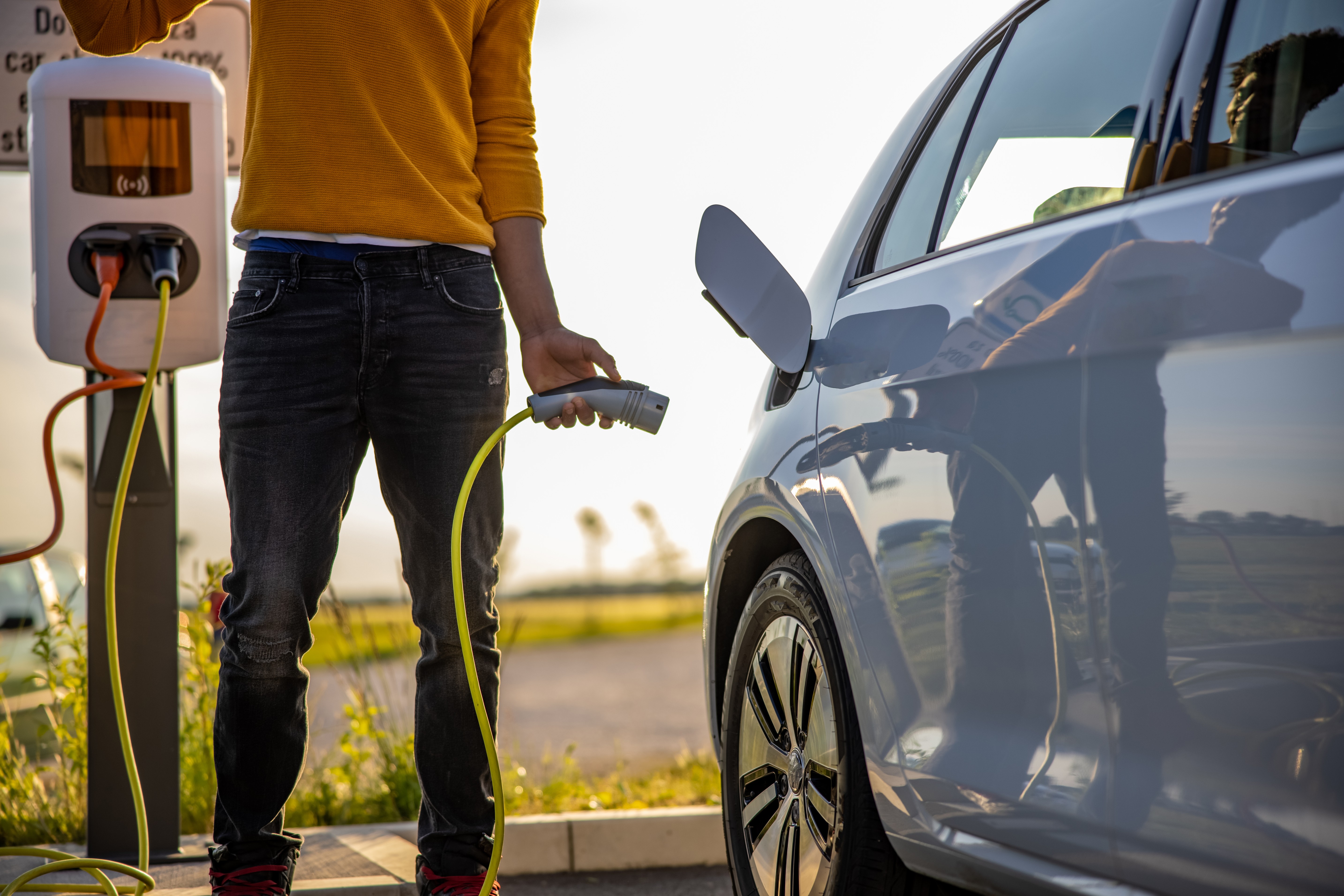
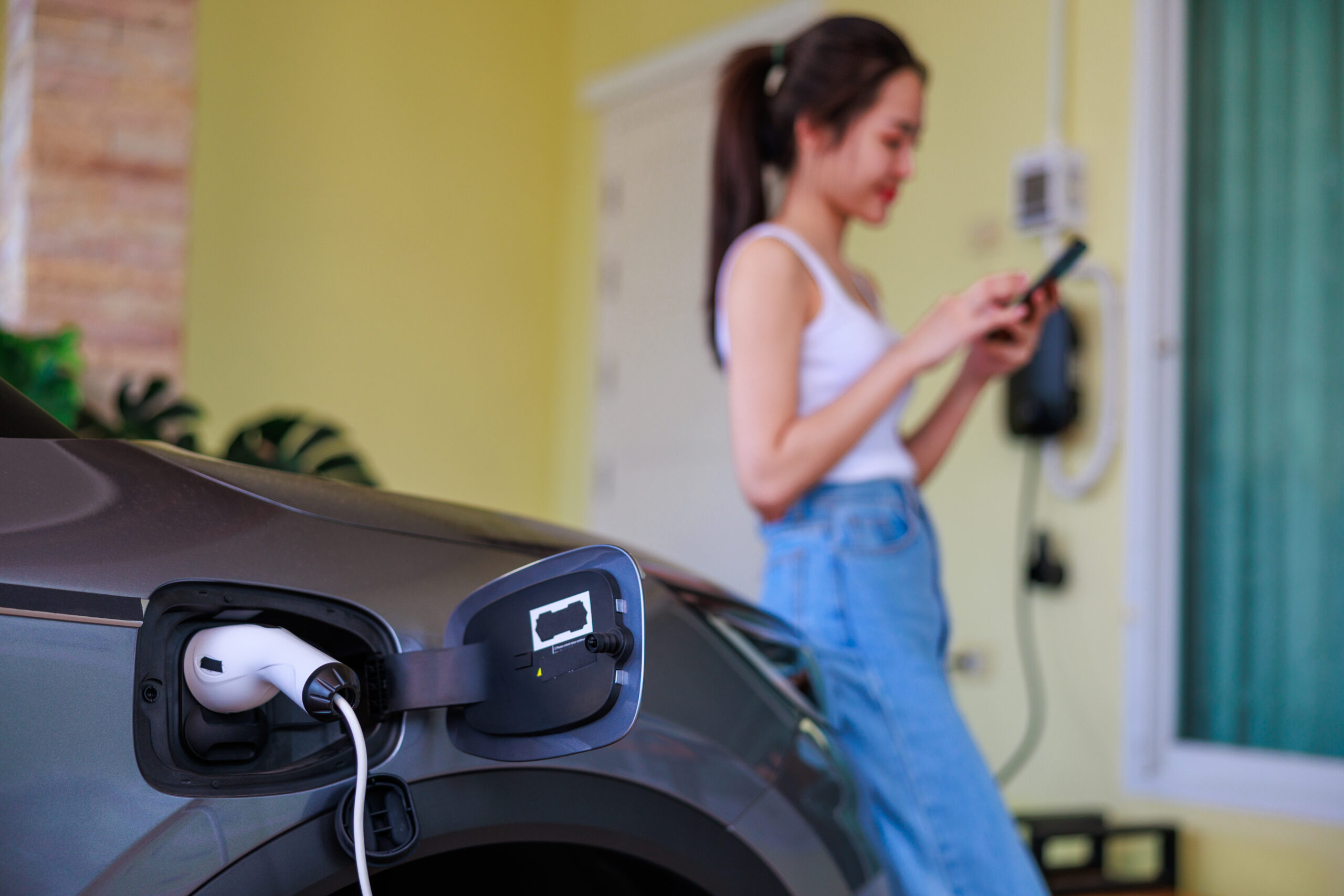
- Precondition the car by warming the interior while it is still connected to the charging station. Be sure to turn on heated seats and steering wheel, so all surfaces are extra toasty when you get in.
- Make sure the battery is fully charged before setting off on a trip when it is very cold.
- Purchase an EV that uses a heat pump rather than radiant heat to warm the car. Heat pumps are more efficient.
AAA urges EV and hybrid owners to be aware of range reduction in extreme hot and cold weather and the need to charge more often to minimize the chance of being stranded by a dead battery. Always map out EV chargers along longer routes.
And as always, AAA Roadside Assistance is available 24/7 if you need us.
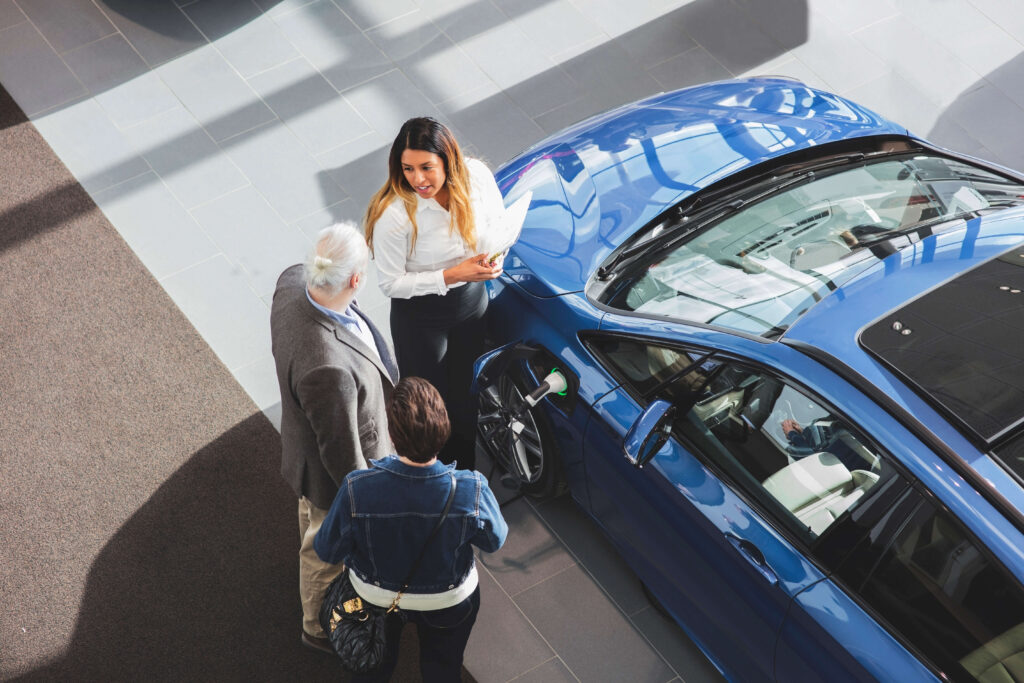
AAA’s Recommendation: Whether you own an electric vehicle or a gas-powered car is up to you – and you should consider lots of factors in making that choice. No matter what type of vehicle you’re choosing, we recommend visiting a dealership, test driving one, and asking as many questions as possible to make an informed decision.