










The electric vehicle market is growing rapidly in the U.S., and governments are offering tax incentives for drivers who choose an EV. But how do Americans feel about these developments? Recent surveys from various organizations offer five key insights.
It’s hard to say that Americans as a whole feel a certain way about electric vehicles, because opinions vary so widely.
- Geography: On a state-by-state basis, California has the greatest percentage of EV-interested buyers, followed by New York, according to a J.D. Power survey.
- Age: Younger drivers consistently express more openness to buying an EV, with millennials expressing the most interest, according to AAA research.
- Personal preference: Despite increased interest in electric vehicles, 41% of Americans say they would not consider buying an EV in the future, according to Gallup.
People who are considering buying an electric vehicle consistently list two primary reasons for their interest: Environmental considerations and potential cost savings, particularly on gas.
Though EVs aren’t emission-free, they are generally the more climate-friendly choice, and drivers can look up their estimated emissions if they’re curious. Prospective buyers should compare the long-term costs of EVs and similar gas-powered cars to see which option is more economical.
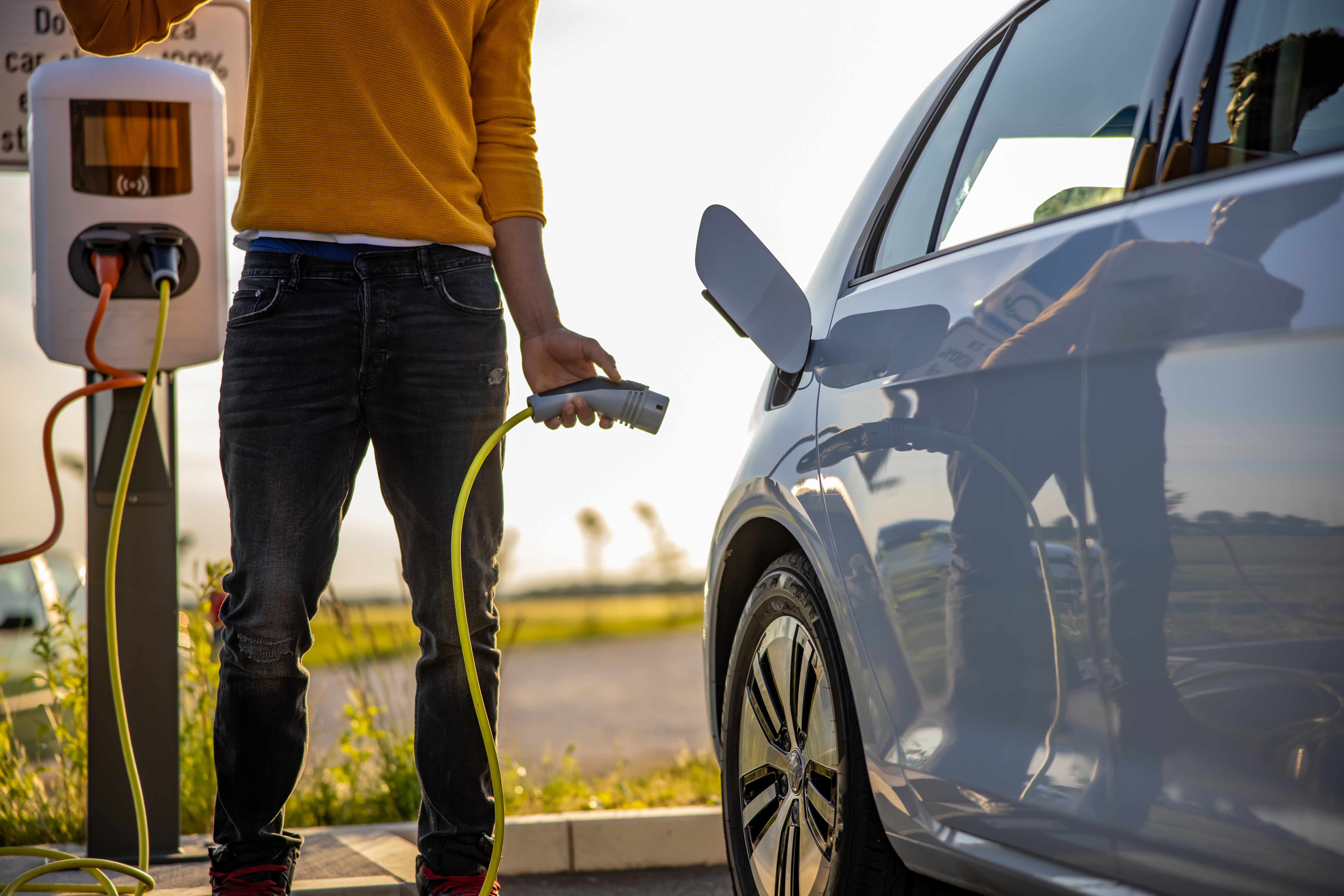
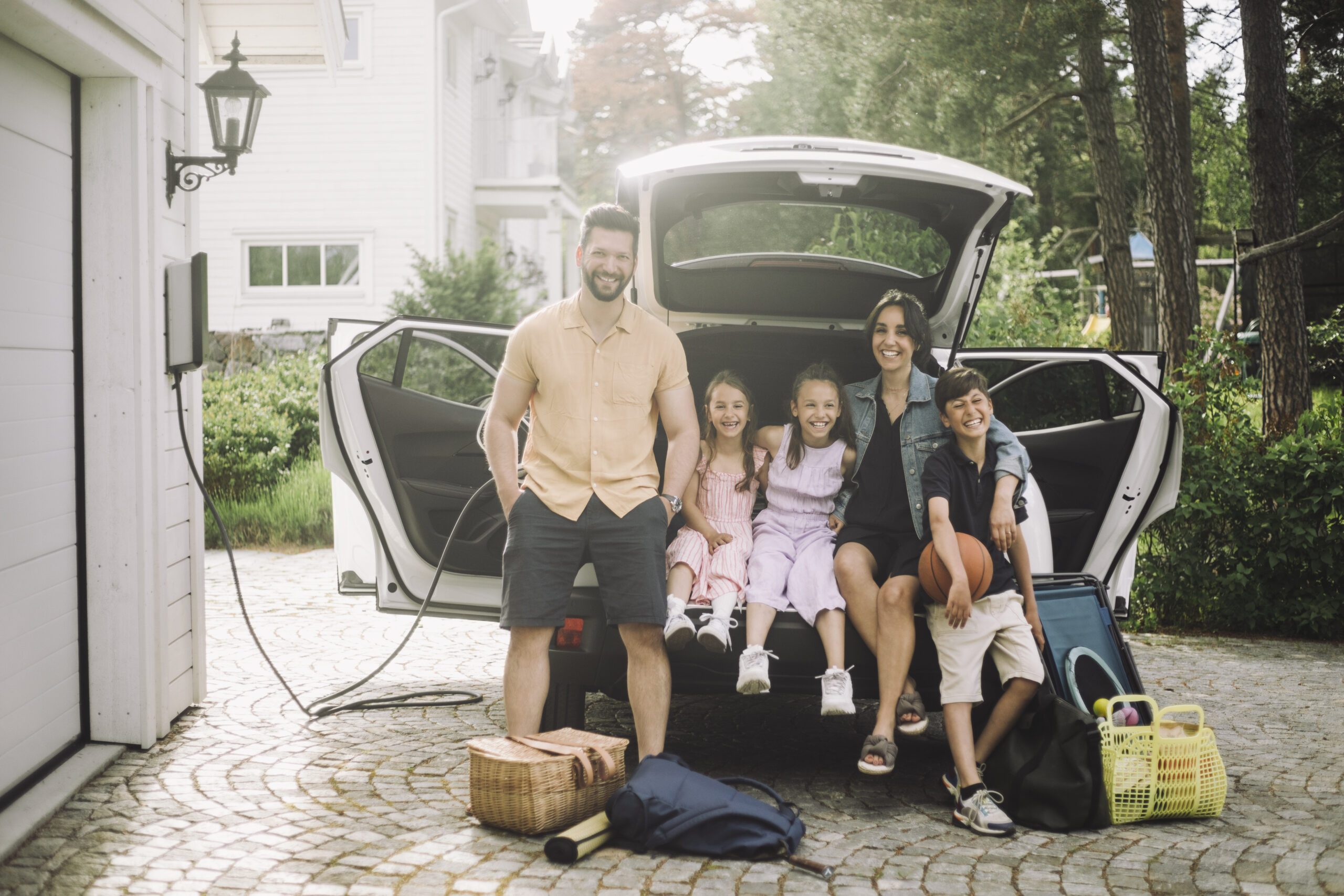
The biggest issue holding consumers back is charging. Drivers worry that there aren’t enough charging stations, that they’ll run out of charge while driving and that EVs are not good for road trips.
Plug In America’s survey found that most EV owners use public chargers less than once a month. But there are problems when they do. Among people who used public DC fast chargers, 46% say that broken chargers are a “major concern” or “deal-breaker” for using that charging network. More than 30% felt similarly about all the chargers being occupied when they arrived.
Tesla’s charging network has higher levels of satisfaction than other networks – but the trends also went in the wrong direction from 2022 to 2023. Both the private and public sectors have work to do to ensure not just that there are enough charging stations , but that they work for the people who need them.
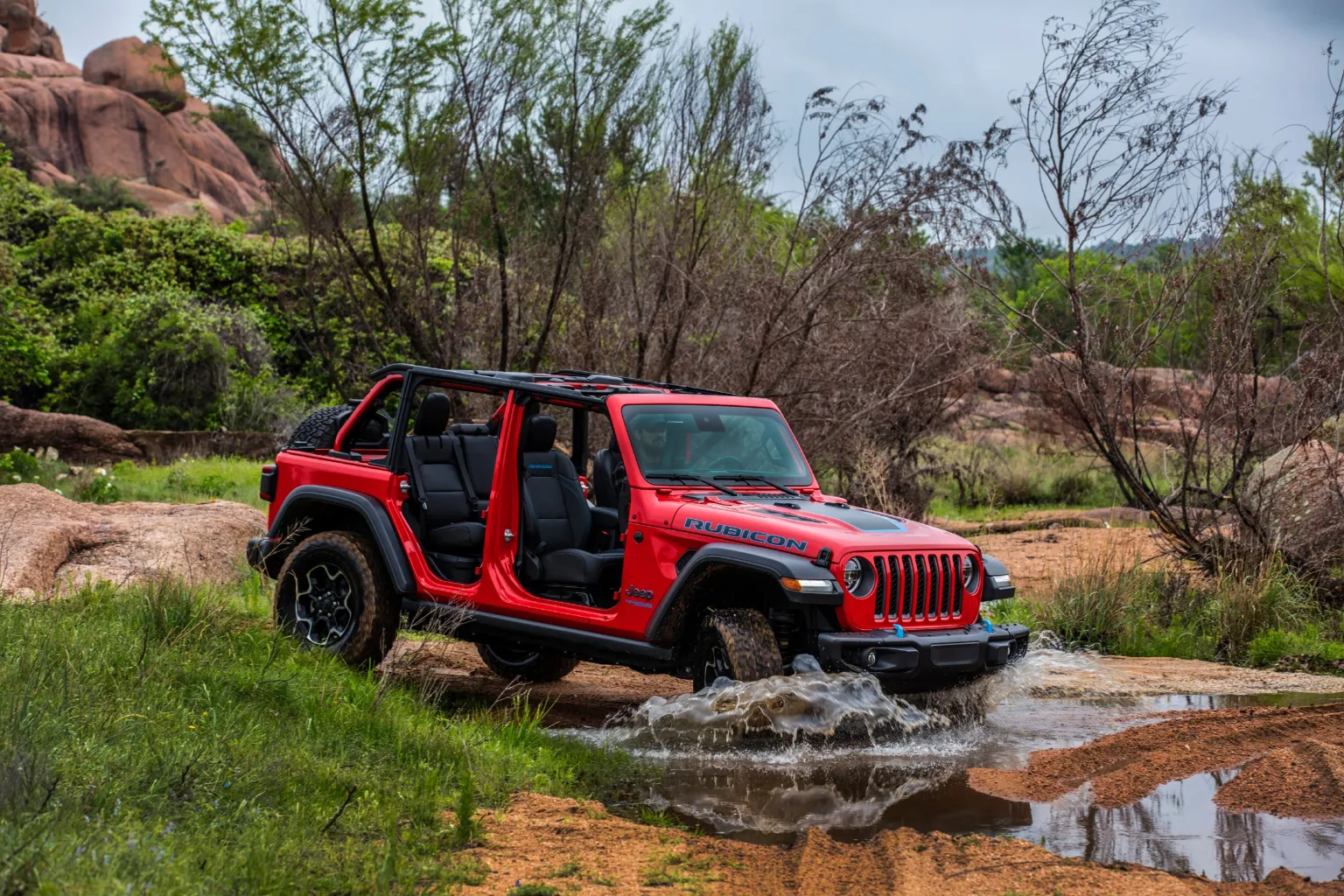
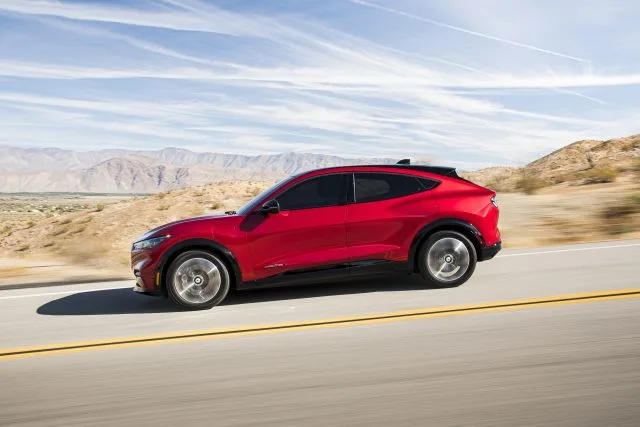
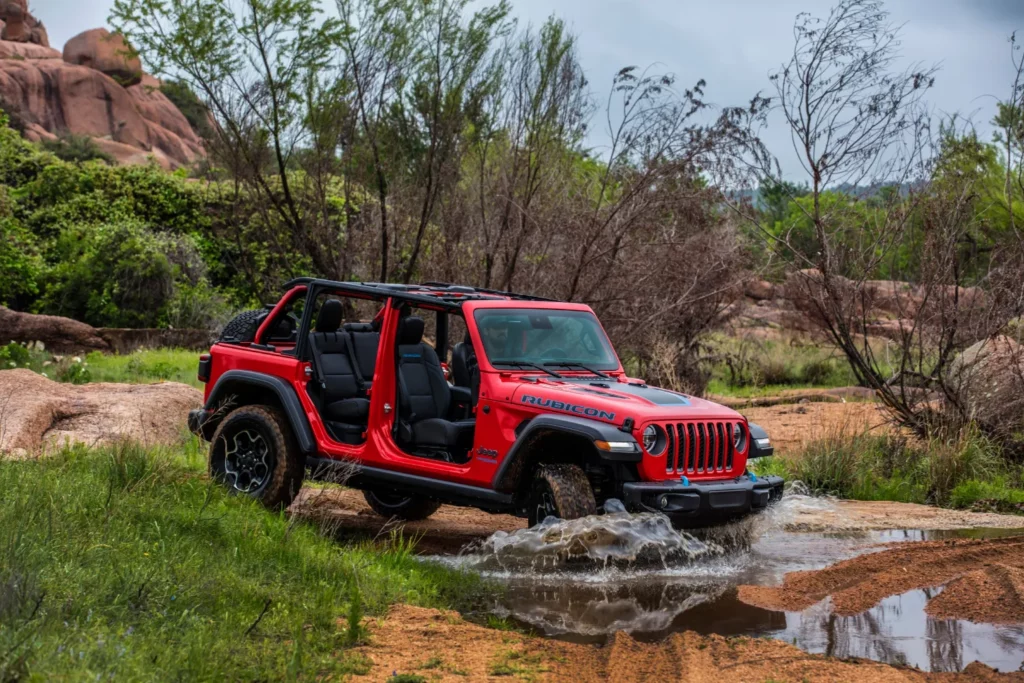
Prospective EV buyers are looking at all their options – not just the makes they’ve used before. According to an Edmunds survey, 85% of respondents said they would consider purchasing an EV from a brand they’ve never owned. Manufacturers are taking notice – and trying to expand their offerings in response. In 2022, there were 132 electric or plug-in hybrid models offered in the U.S. – up from 51 five years earlier.
Once drivers go electric, they generally stay there. A Plug In America survey found that 90% of EV owners are likely or very likely to choose another EV for their next car. Previous AAA research found similar results: many concerns are eased once drivers buy an EV.
There are over 300 million Americans – and there may be 300 million different opinions about electric vehicles. But cost and charging continue to be factors in pretty much everyone’s thoughts, and plenty of consumers are considering new options – whether it’s a different brand or switching to electric – when they’re in the market for a new car.