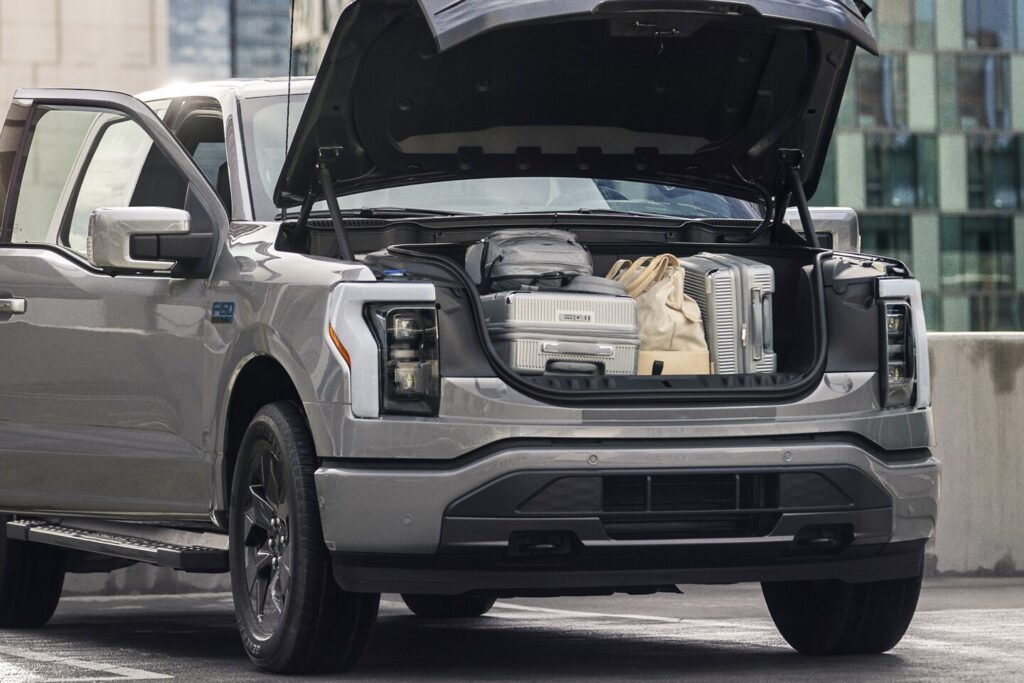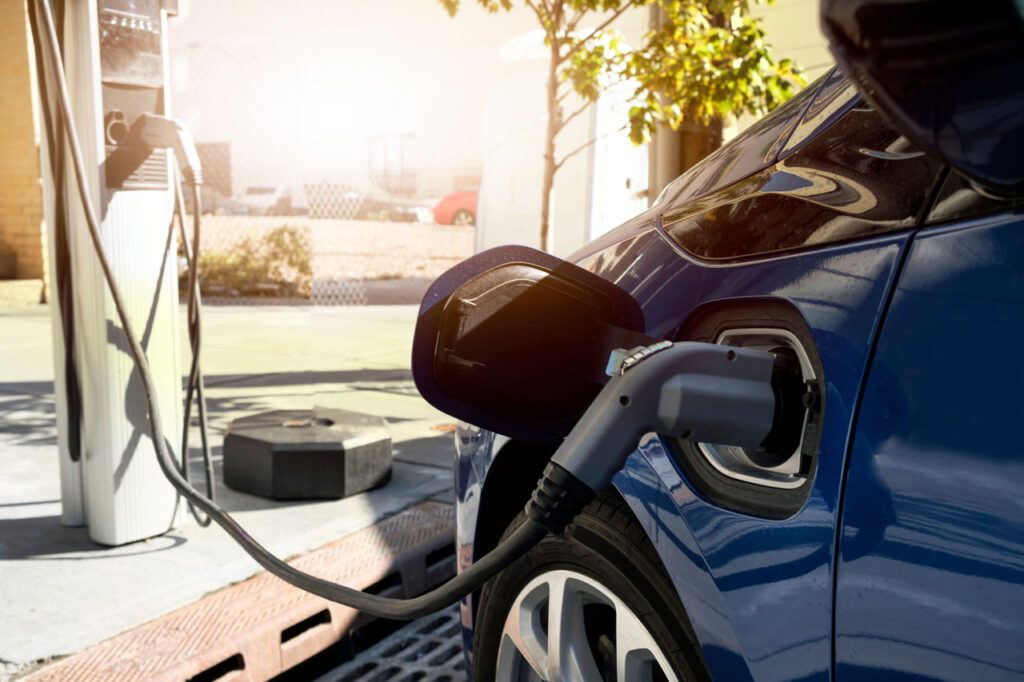













There are a lot of reasons you may want an electric vehicle. Surprisingly satisfying acceleration, reduced emissions, fuel savings and lower maintenance costs, to name just a few.
While those are all undeniable upsides to driving an electric car, there is one area where you’re likely to find EV ownership to be a little more spendy — insuring your new ride.
Before you start fretting over the idea of higher insurance costs for EVs, rest assured that the increase is relatively modest.
EV policies average about 25% more than for a comparable gasoline-powered model, according to Gregory Smolan, Vice President of Insurance Operations for AAA Northeast.
“The first thing to know is that auto insurance isn’t based as much on what’s under the hood as it is factors like the cost to replace or repair your vehicle,” Smolan said.
Electric vehicle insurance rates have more to do with these environmentally friendly models tending to have higher prices on their window stickers to begin with.
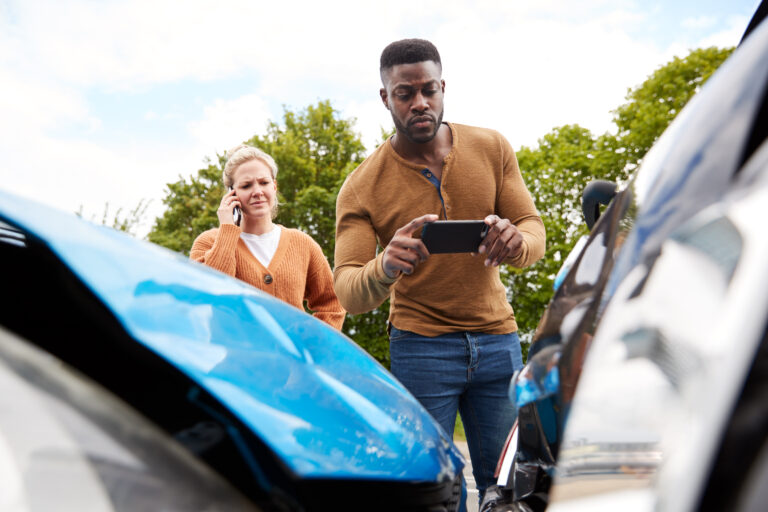
“Generally speaking, electric vehicles are going to be more expensive to purchase,” Smolan said. “So, it logically follows that, if the vehicle was seriously damaged or totaled in an accident, the replacement cost would be higher.”
Because the EV market is still growing and changing, parts and labor are also likely to be more expensive simply because of supply and demand. The availability of repair shops with special tools and individuals with specific training may ultimately impact the total insurance cost.
Other than that, insuring an electron-fueled model will feel very familiar. For starters, much of the lingo you’re used to, such as types of coverage (liability, collision and comprehensive), policy limits and deductibles, also applies to electric vehicle insurance.
Ultimately though, the biggest factor affecting EV insurance rates isn’t what moves it down the road. It’s the person sitting behind the steering wheel.
“The cost of insuring your new electric vehicle is based on the same factors that affect rates for most cars,” Smolan said. “As is the case with any auto policy, the most important thing you can do to reduce the cost of insuring your EV is to maintain a solid driving record without collisions and moving violations.”
On the upside, it generally costs less to maintain an EV — no oil or air filter changes, for example — which could help offset a rise in your insurance premium.
EVs are the least expensive cars for maintenance, repair and tire costs, according to the 2025 Your Driving Costs Fact Sheet released by AAA, although they do have a higher depreciation.
As with any advanced technology, from televisions to cellphones, time may ultimately be the great equalizer.
“As EV models become more common, it’s likely that repair and replacement costs will gradually come down, lowering insurance rates in the process,” Smolan said.
AAA’s Recommendation: Whether you own an electric vehicle or a gas-powered car is up to you – and you should consider lots of factors in making that choice. No matter what type of vehicle you’re choosing, we recommend visiting a dealership, test driving one, and asking as many questions as possible to make an informed decision.