












If you just switched from a gas-powered car to an electric vehicle or hybrid, you can stop budgeting for a new car battery every three to five years.
New EV owners may wonder when they will have to replace the massive lithium-ion battery powering their cars. The short answer is — probably never.
EV battery life is designed for the life of the vehicle.
EV Battery Lifespan
People may think EV batteries need to be replaced after a few years because of their experience with smartphone batteries, Matt Ferrell, a consultant on renewable and sustainable technology, said in a AAA article dispelling common EV myths. Even though they are the same kind of battery, one is obviously much larger and more powerful.
So, how long do EV batteries last? Ferell said they can last as long as 15 to 20 years.
One reason EV batteries have more longevity is because regenerative braking helps to reduce strain on the vehicle and cut down on overall wear and tear.
The average EV battery degradation rate is 2.3% per year, according to a 2025 study, meaning a battery will retain 75% of its original capacity after more than a dozen years.
Further, information from Plug In America shows that fewer than 1% of the EVs that have been operating for the past 10 years have needed battery replacements.
A study of high-mileage EVs by Recurrent showed that EVs driven as many as 175,000 miles still had 85% of their original battery range.
EV Battery Lifespan
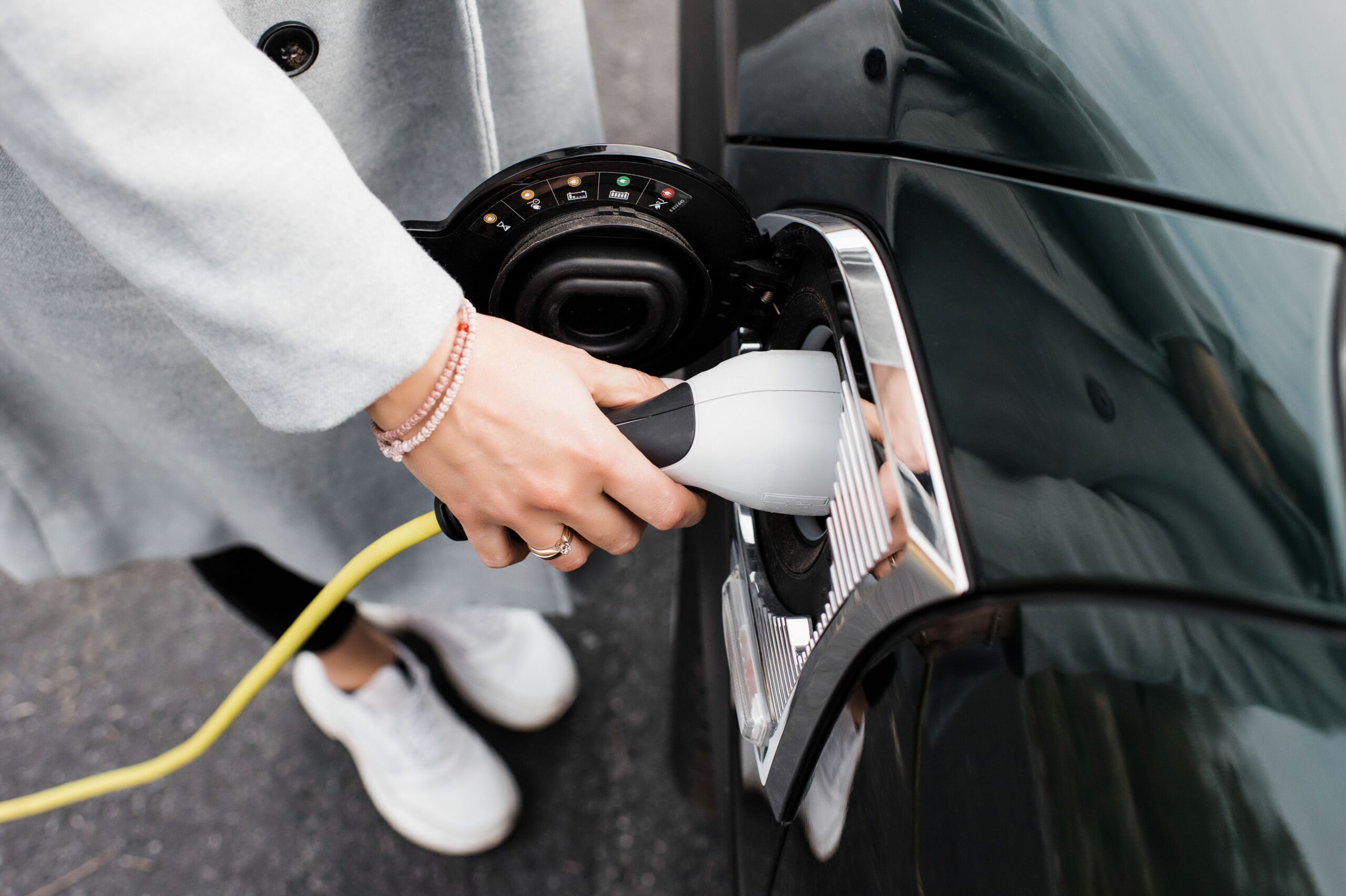
While you probably will never need to replace your battery, it never hurts to take steps to extend your battery life.
- Remember the 80/20 rule. Never charge the car to more than 80% and don’t let the charge drop below 20%. Driving the car to a zero charge can strain the battery cells, and charging above 80% can reduce the maximum kilowatt hours a battery can hold.
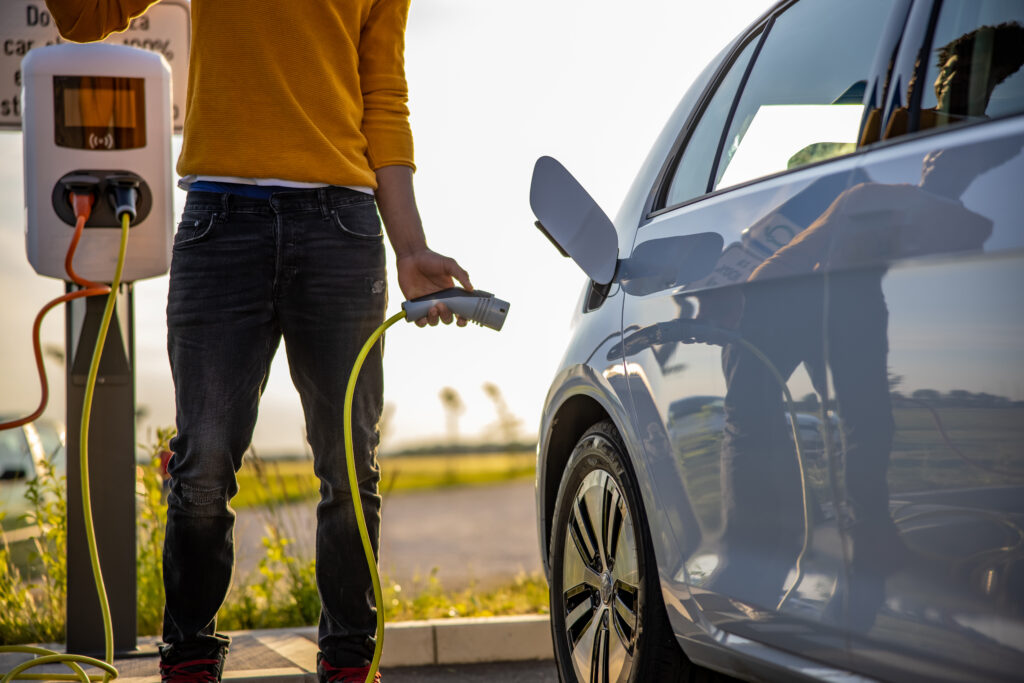
- Stick to slower charging speeds. Faster charging degrades the battery over time.
- Find other ways to regulate the cabin temperature. Park the car in the shade during warm weather to limit use of the air conditioner when it’s turned off and use heated seats when it’s cold, rather than turning up the heat.
Should your car outlast your battery or your battery fail for some reason, the good news is that the price of replacing an EV battery is expected to continue dropping, according to a recent study by Recurrent. By 2030, a standard 75 kWh EV battery pack is projected to cost around $3,375, which is comparable or lower than the average $2,000 to $10,000 to replace a gas-powered engine.
AAA’s Recommendation: Whether you own an electric vehicle or a gas-powered car is up to you – and you should consider lots of factors in making that choice. No matter what type of vehicle you’re choosing, we recommend visiting a dealership, test driving one, and asking as many questions as possible to make an informed decision.