AAA’s Car Doctor Answers Your EV Questions: Part 2
John Paul is a nationally recognized expert in automotive technology and repair. Here he addresses some of the top questions he’s been hearing about electric vehicles.
John Paul
Automotive Expert
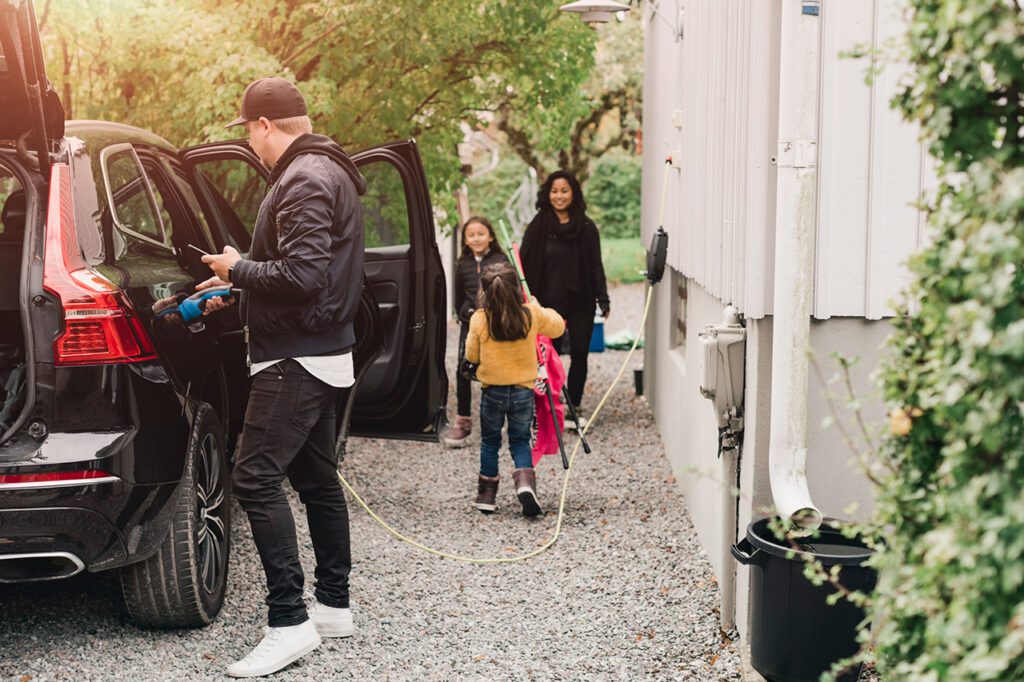
How long does it take to charge an EV? It seems inconvenient that you need to plug the car in every night.
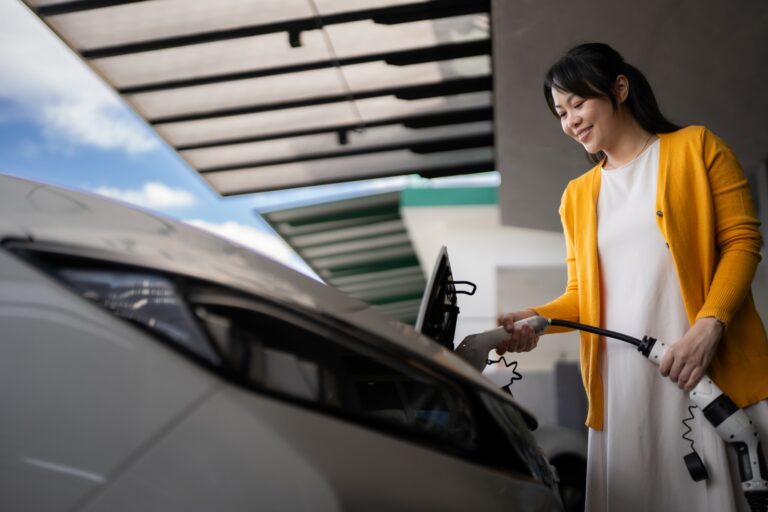
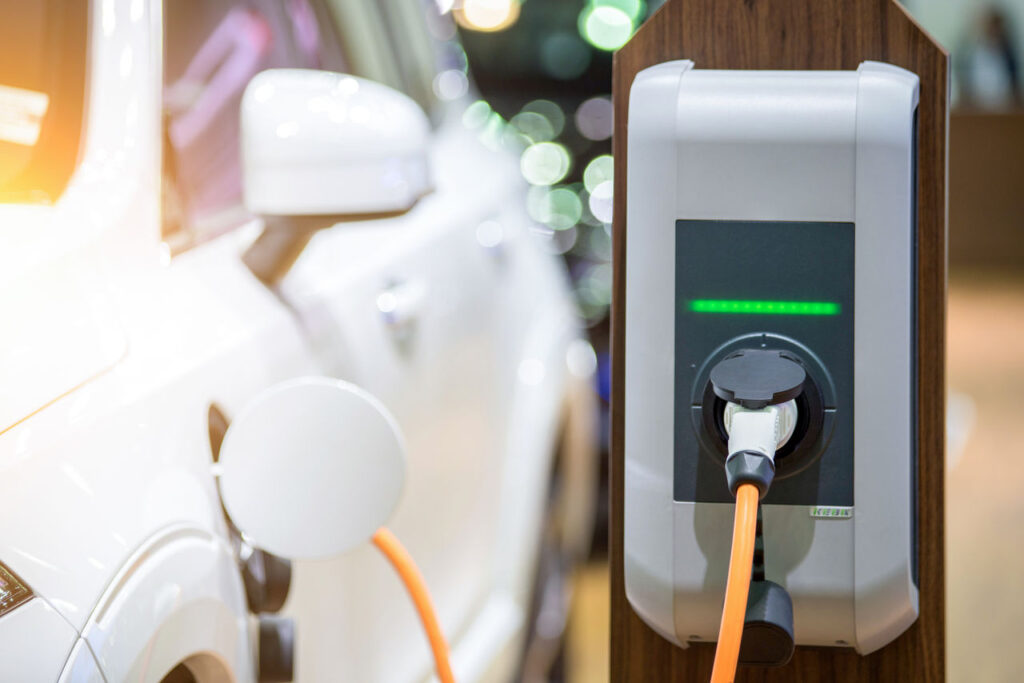
Charging time depends on the charger. A household outlet, which is not the best option, charges at an hourly rate of only 2 to 5 miles. A Level 2, 240-volt charger, which is most common for home, charges at an hourly rate of 20 to 40 miles. DC fast charging can provide up to 90% battery recharge in 20 to 40 minutes. As for convenience, it is just one more thing to plug in. At the end of the day, I plug in my laptop, iPad, phone and sometimes my electric bike.
Do EVs lose range in cold weather?
Yes. AAA has performed testing in a temperature adjustable dynamometer lab (think treadmill for your car) that could be chilled to 30 degrees. Cold temperatures can reduce range by 10% to 30% due to battery chemistry and cabin heating demands. Models with heat pumps (like newer EVs from Hyundai and Ford) handle cold weather more efficiently. Preheating the cabin while plugged in and using the seat heaters rather than the traditional heater can extend range.
I am a snowbird who goes to Florida every winter. Are EVs good for long road trips?
Yes, they can be but require planning. Many electric cars have navigation systems to help pinpoint charging stations. Tesla vehicles benefit from the integrated Tesla Supercharger network, which is still one of the most reliable systems. Today, more vehicles can use the Tesla charging network, and we’re seeing buildout of other high-speed charging stations. Someday, we may see roadways with built in inductive (no contact) charging. This is being tested now.
Electrify America took an EV snowbird road trip — check it out!
What are common EV repair issues? And what is the major reason AAA tows EVs?
Electric vehicles are generally reliable but experience charging port failures, battery cooling system issues and 12-volt battery failures. Since EVs are rolling computers, we do see software glitches, which sometimes can be fixed with over-the-air updates. The most common reason AAA tows EVs is not mechanical failure or running out of range, but flat tires. I don’t know of any EV that has a spare tire.
Should I get a new or used EV? Should I buy or lease?
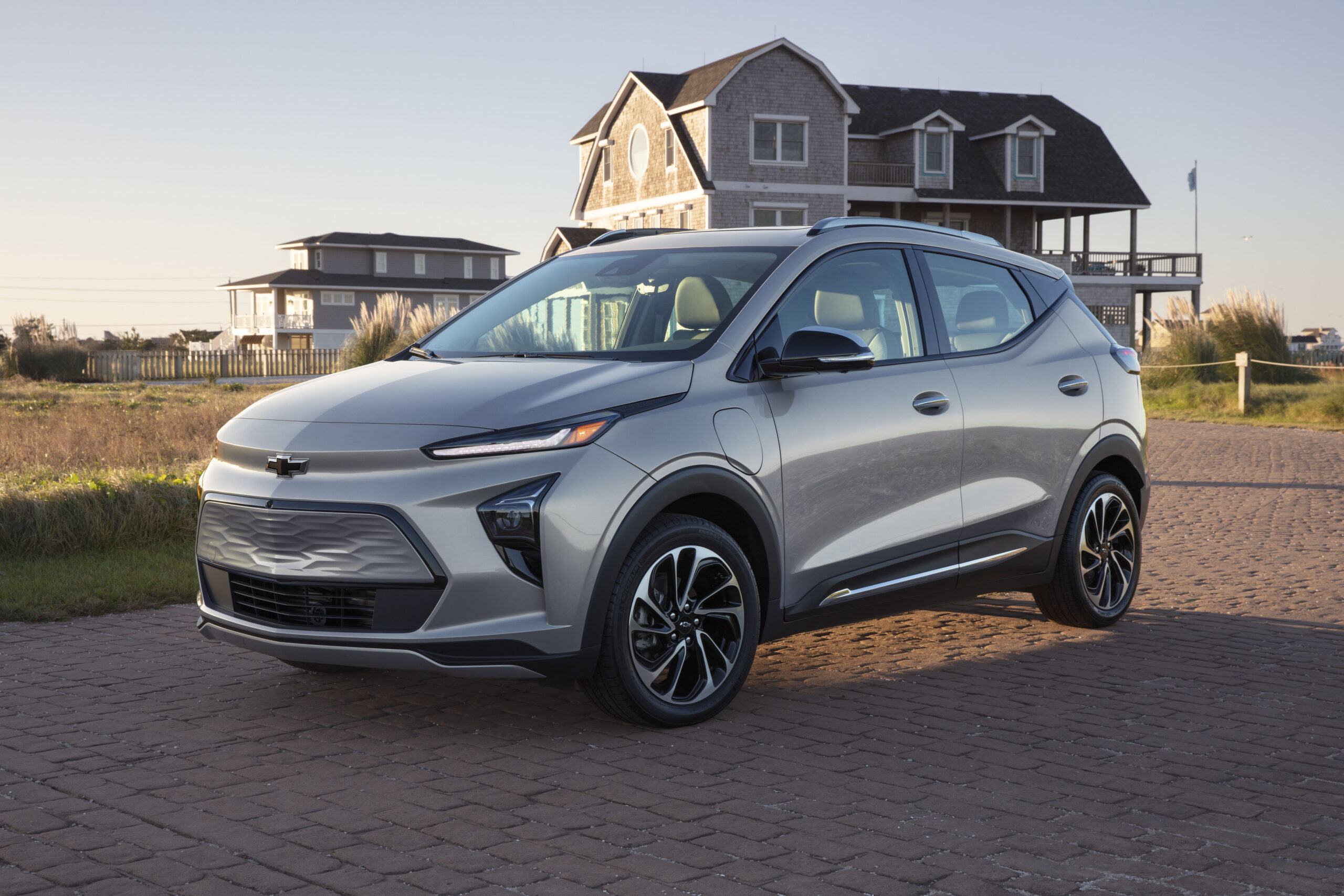
New EVs typically offer longer range, the latest technology and features and the best warranties. Used EVs have a lower cost, but checking battery health as well as previous history, including possible body damage, is important. Potential buyers should also look into any remaining warranty. Some popular used options include the Chevrolet Bolt, many of which have a new battery due to recall, and the Nissan Leaf, which can be quite economical despite being perhaps the shortest-range EV. We’ve seen some favorable used prices for Tesla Model 3.
Although I am generally not a fan of leasing, due to the technological improvements for batteries and charging, leasing can make sense. Leasing also removes the risk of depreciation at trade in for a new vehicle.
AAA’s Recommendation: Whether you own an electric vehicle or a gas-powered car is up to you – and you should consider lots of factors in making that choice. No matter what type of vehicle you’re choosing, we recommend visiting a dealership, test driving one, and asking as many questions as possible to make an informed decision.