













A common concern when driving an electric vehicle is range anxiety, the fear of running out of power before finding a charger. Those who fall into this camp (and even some who don’t) may believe that taking an EV on a road trip is either impossible or so inconvenient and time-consuming they wouldn’t dare attempt it.
Both are untrue. At worst, an EV road trip requires a bit more planning prior to departure. At best, it enables you to explore the country and reach your destination at a fraction of the cost of traveling in a gas-powered car.
Here are some steps to consider when planning your next — or first — EV road trip.
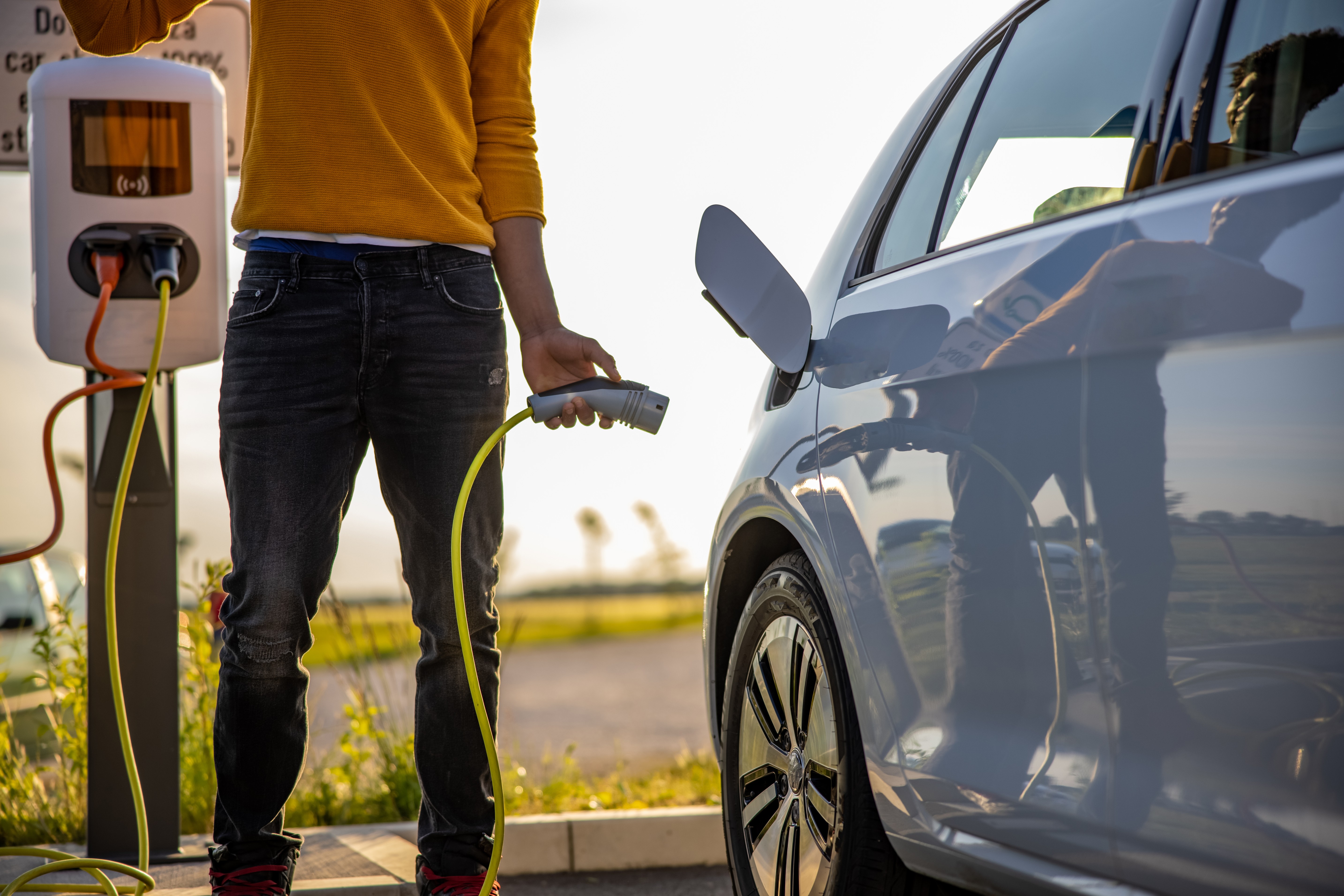
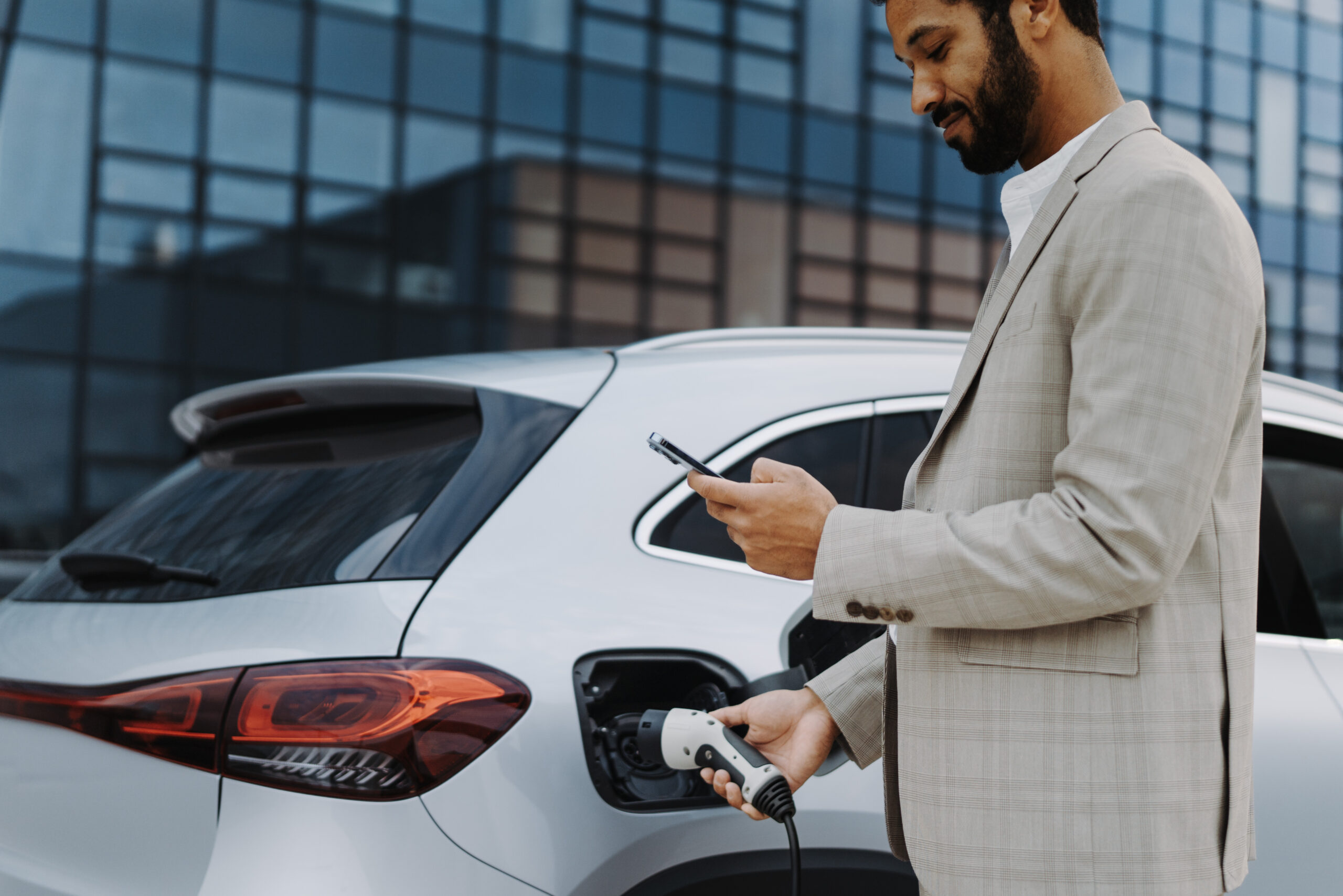
This is the most critical step to take when planning your EV road trip. The network of publicly available EV chargers is growing, but they are still not as ubiquitous as gas stations. If you’re sticking to major highways, it shouldn’t be hard to find a charging station, but if you’re traveling through rural areas or taking scenic routes, you’ll want to map out chargers ahead of time. Try our Find a Charger tool.
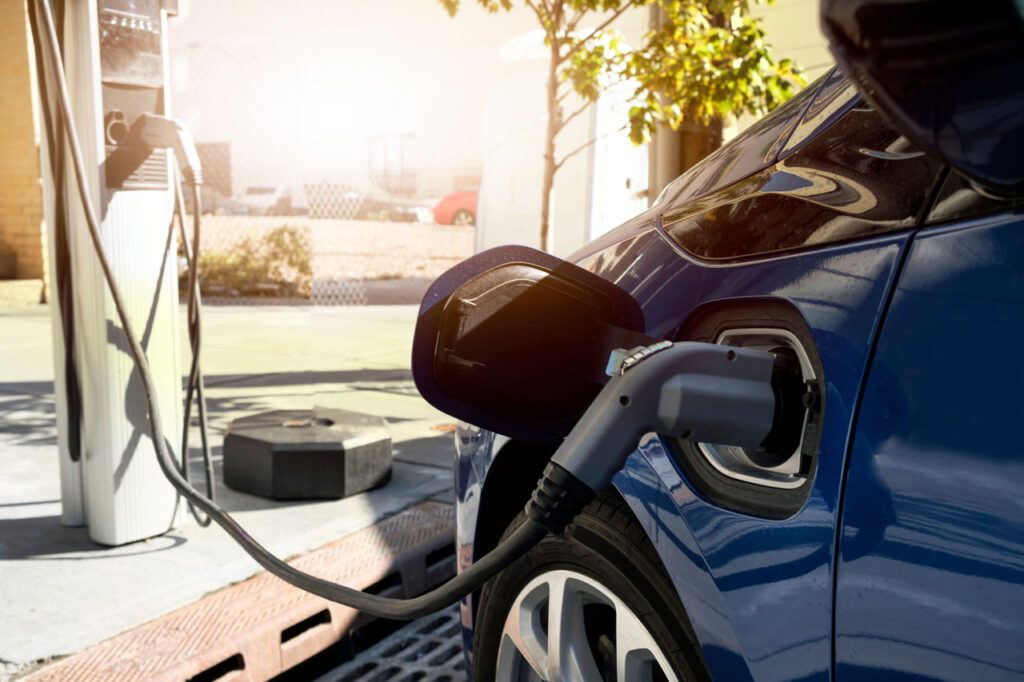
And while not yet as quick as filling your tank with gas, most public charging stations offer fast charging options. Learn more about different types of EV chargers.
Electrify America’s Rachel Moses demonstrated in fall 2025 how easy it is to map out an EV road trip by documenting her 1,765-mile drive from Portland, Maine, to Key West, Florida. Moses planned stops at 15 charging stations across 14 states.
Not all EVs are created equal when it comes to driving range. Most modern EV models boast over 200 miles, but some can travel more than 500 miles on a single charge. If your car falls toward the lower end of the spectrum, you may want to rent a different EV. Hertz offers Tesla vehicles, which have longer ranges than most commercially available EVs. Even better, AAA members can save on Hertz rentals.
Overnight charging offers a hands-off way to fully recharge an EV’s battery, even when you’re traveling. A growing number of hotels are equipping their parking lots with EV chargers. This amenity often comes at no extra charge for guests. Just plug in, rest up and be ready to go in the morning.
Every EV comes with an estimated travel range. Exactly how much distance you’ll be able to cover on a full charge depends heavily on how efficiently you use the car’s battery. Minimizing battery use will help tack on additional miles. Be conscientious of how you’re using the car’s heating and air conditioning systems, both of which drain the battery.
Also remember that gradual acceleration and deceleration are more energy efficient than sudden speed shifts. Go easy on the accelerator while speeding up and take advantage of the car’s regenerative braking when slowing down. It will also help if you stick to highways on your EV road trip rather than local roads.
AAA’s Recommendation: Whether you own an electric vehicle or a gas-powered car is up to you – and you should consider lots of factors in making that choice. No matter what type of vehicle you’re choosing, we recommend visiting a dealership, test driving one, and asking as many questions as possible to make an informed decision.